
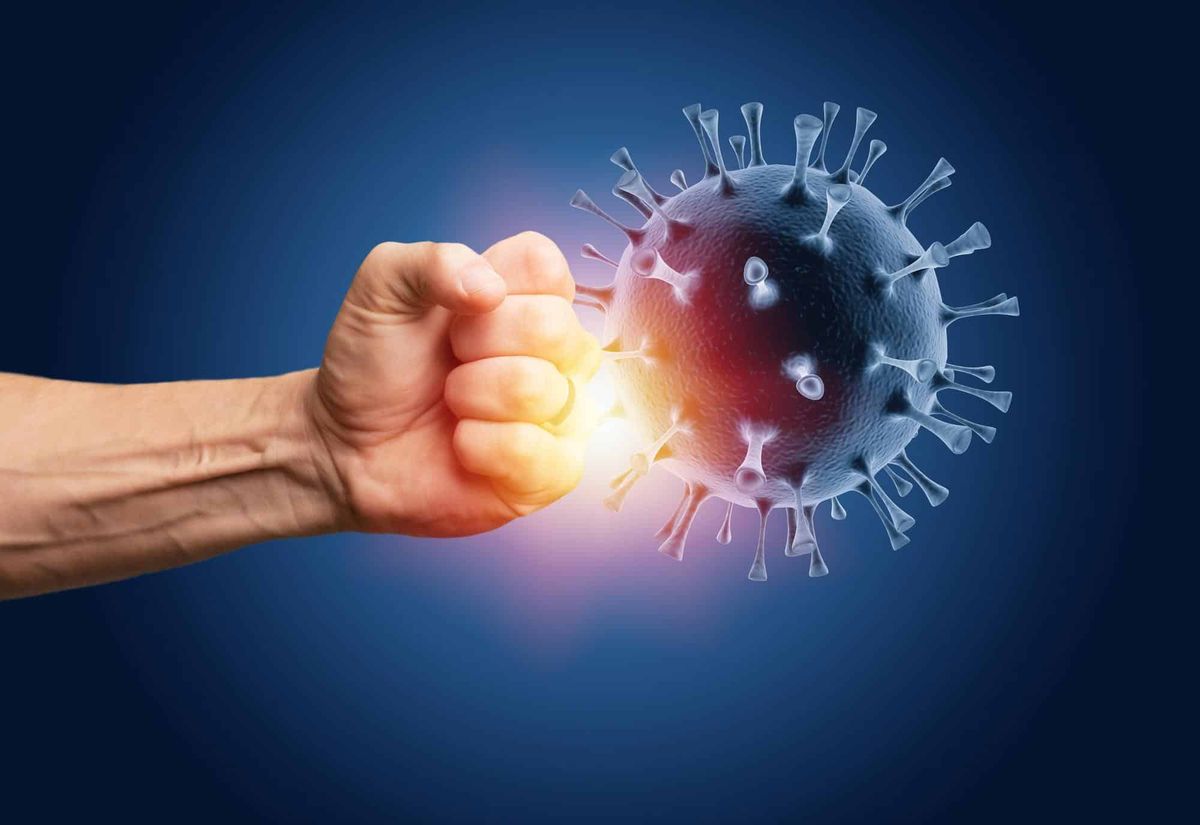

The year 2025 has brought a wave of optimism in the fight against cancer, as groundbreaking results from global immunotherapy trials are showing remarkable success. Scientists and medical researchers are achieving new milestones in developing treatments that use the body’s own immune system to detect and destroy cancer cells more effectively. These advances mark one of the most promising periods in cancer research history, bringing fresh hope to millions of patients worldwide.
Immunotherapy has been one of the most revolutionary approaches in modern medicine, and this year’s breakthroughs are pushing its limits even further. Several major pharmaceutical companies and research institutions, including Bristol Myers Squibb, Moderna, and the National Cancer Institute, have announced successful trial results for new therapies targeting multiple cancer types. These include melanoma, lung, breast, and pancreatic cancers — some of the most difficult forms to treat.
A standout achievement comes from a new generation of personalized cancer vaccines. These vaccines are designed using each patient’s unique genetic and tumor profile. By identifying specific mutations, the vaccine “trains” the immune system to recognize and attack cancer cells more accurately. In recent clinical trials, patients who received these personalized vaccines showed significantly higher survival rates and lower recurrence of tumors compared to those on traditional treatments.
Another major breakthrough involves CAR-T cell therapy, which modifies a patient’s own immune cells to better target cancer. In 2025, researchers successfully adapted CAR-T treatment for solid tumors — a challenge that had limited the therapy’s use for years. This progress could open new paths for treating previously untreatable cancers like pancreatic and ovarian cancer, where survival rates have historically been low.
Immunotherapy combinations are also showing powerful results. Doctors are now using multiple immune-based treatments together — such as checkpoint inhibitors and targeted antibodies — to enhance effectiveness. Trials conducted in Europe and Japan have shown that these combinations can reduce tumor size faster and with fewer side effects than traditional chemotherapy or radiation. Patients are reporting improved quality of life, less fatigue, and faster recovery times.
While these developments are exciting, challenges remain in making immunotherapy affordable and widely accessible. The treatments are complex and often costly, putting them out of reach for patients in low-income countries. To address this, global health organizations and biotech firms are working to reduce costs and expand access through partnerships and public funding.
Experts believe that the next decade will see immunotherapy become the foundation of cancer care. As technology like AI and genomic sequencing continues to improve, doctors will be able to design even more precise and personalized treatments. Many scientists now predict that, for some cancers, immunotherapy could replace chemotherapy entirely.
The breakthroughs of 2025 represent more than medical progress — they reflect humanity’s growing ability to harness science and the immune system’s natural power to heal. With each successful trial, the world moves closer to a future where cancer is not a death sentence but a treatable and, one day, curable disease.