
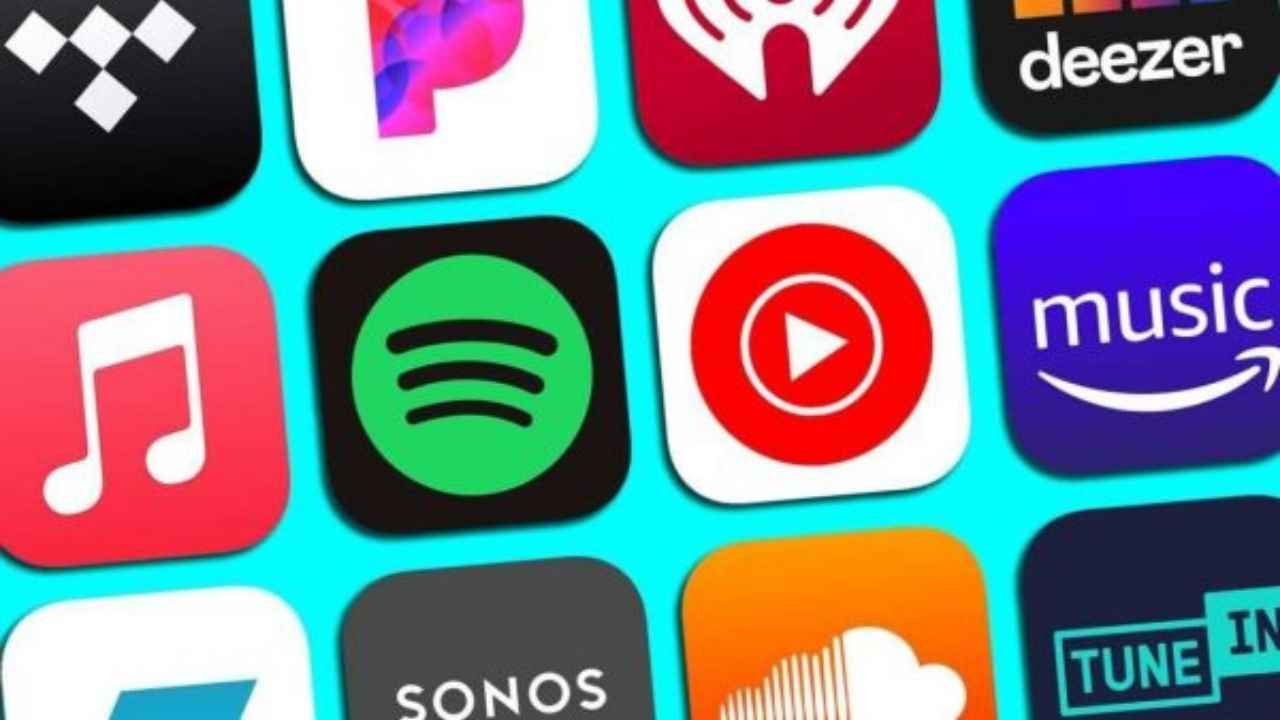

The music industry has undergone a massive transformation in the last decade, and at the center of it all stands the streaming revolution. Platforms like Spotify, Apple Music, YouTube Music, and Amazon Music have completely redefined how audiences consume music and how artists get paid. While accessibility has improved dramatically, the debate over fair royalties continues to evolve — and in 2025, the system is finally starting to change.
Streaming services have made music more global than ever before. A single release can reach millions of listeners across continents within hours, giving independent artists exposure that was once impossible. However, this wide reach hasn’t always translated into fair income. For years, artists have criticized the “fractions of a cent per stream” model, where most revenue is absorbed by platforms, labels, and distributors before it reaches creators.
In response to growing backlash and industry reform, many streaming platforms are now adopting new royalty models. One major shift is the move toward “user-centric payment systems.” Instead of pooling subscription fees and dividing them based on overall streams, this model allocates each listener’s payment directly to the artists they actually listen to. This ensures fairer distribution, especially for smaller or niche musicians who previously lost earnings to mass-market hits.
Blockchain technology is also beginning to reshape royalty tracking and payments. Smart contracts on decentralized platforms are allowing artists to receive instant payments every time their music is streamed, downloaded, or used in media. This transparency eliminates the need for intermediaries and provides real-time insights into earnings — something artists have long demanded.
Additionally, the growing popularity of AI-generated playlists and personalized algorithms is creating both opportunities and challenges. While these features boost discovery for emerging artists, they also give platforms immense power over who gets heard and who doesn’t. Some musicians argue that algorithms favor already popular names, making it harder for new talent to break through unless they master the art of digital marketing.
The rise of short-form video platforms like TikTok and Instagram Reels has added another layer to artist income. Viral music snippets are now driving streaming numbers, leading platforms to explore new partnerships where artists are compensated for every use of their sound in videos. This integration between social media and streaming is helping musicians earn from multiple channels simultaneously.
Major record labels are also rethinking their contracts. With artists gaining direct access to audiences through streaming, the traditional label model is being challenged. Many musicians now prefer distribution deals or independent releases, allowing them to keep a larger share of royalties while maintaining creative control. Platforms like DistroKid and TuneCore have empowered creators to bypass gatekeepers entirely.
However, the question of sustainability remains. While streaming democratizes access, it also floods the market with content, making it harder for individual artists to stand out. The focus has shifted from album sales to constant engagement — a cycle that demands consistent output and online visibility.
As technology continues to evolve, so will the economics of streaming. The industry is moving toward a more artist-centric future, where fair pay, transparency, and creative independence are finally prioritized. For musicians, the dream of making a living through streaming alone is no longer distant — it’s just being rewritten in real time.
In 2025, streaming isn’t just transforming how we listen to music; it’s transforming what it means to be an artist in the digital age.