
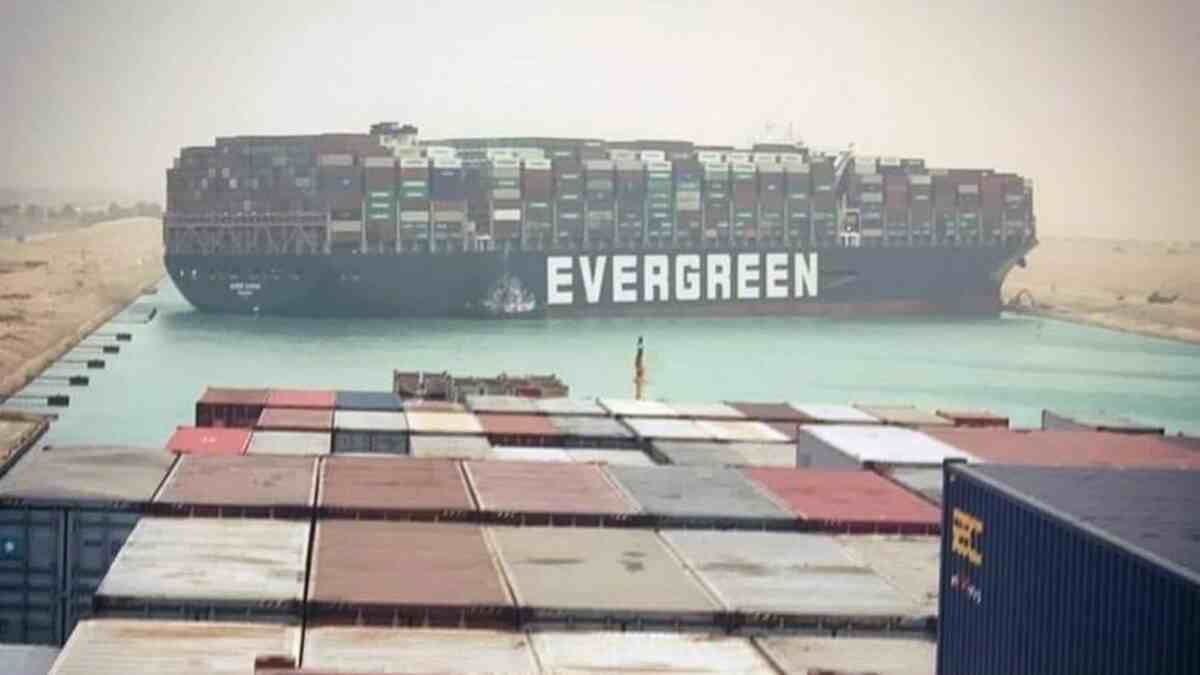

International negotiations have resumed with renewed urgency to stabilize Red Sea shipping security, following months of disruptions that have rattled global trade, driven up freight costs, and forced major shipping companies to reroute vessels. The Red Sea, a vital maritime corridor linking Asia, Europe, and Africa, carries nearly one-third of global container traffic, making its safety critical to the world economy.
Why the Red Sea Matters to Global Trade
The Red Sea connects directly to the Suez Canal, one of the world’s most important choke points for international commerce. Any instability in this region immediately impacts oil shipments, food supply chains, and manufactured goods moving between continents.
In recent months, repeated security incidents have disrupted normal shipping flows, prompting several global logistics firms to temporarily avoid the route. As a result, vessels have been forced to divert around Africa’s Cape of Good Hope, adding weeks to delivery timelines and significantly increasing fuel and insurance costs.
Renewed Diplomatic Efforts Take Shape
To address the growing crisis, international negotiations involving regional powers, naval coalitions, and global trade stakeholders have restarted. Countries bordering the Red Sea, along with major trading nations from Europe and Asia, are now coordinating efforts to restore confidence in maritime safety.
The discussions focus on strengthening naval patrols, improving intelligence-sharing mechanisms, and establishing clearer rules of engagement to protect commercial vessels. Diplomatic sources indicate that ensuring freedom of navigation remains the central goal of these talks.
Security Threats and Recent Disruptions
The recent instability has been driven by a combination of geopolitical tensions, armed group activity, and broader regional conflicts spilling into maritime zones. Several commercial ships have reported attempted attacks and harassment, causing alarm across the shipping industry.
These threats have pushed marine insurance premiums sharply higher, with some routes seeing risk surcharges multiply within weeks. For exporters and importers alike, the uncertainty has translated into higher consumer prices and delayed supply chains.
Economic Impact Across Continents
The effects of Red Sea disruptions are being felt far beyond the Middle East. European manufacturers dependent on Asian components are facing production delays, while energy-importing nations are grappling with volatile fuel prices. Food-importing countries, particularly in Africa, are also experiencing rising costs due to shipping delays.
Market analysts warn that prolonged instability could reignite global inflationary pressures at a time when many economies are still recovering from previous supply chain shocks.
Role of Naval Coalitions
Several multinational naval task forces have increased their presence in the region to escort commercial ships and deter potential attacks. These patrols are designed not only to provide physical security but also to reassure shipping companies considering a return to Red Sea routes.
However, experts caution that military presence alone is not a long-term solution. Sustainable security, they argue, depends on diplomatic agreements that address the underlying political tensions driving maritime threats.
Shipping Industry Response
Major shipping lines are closely monitoring the outcome of ongoing negotiations. Some companies have cautiously resumed limited operations through the Red Sea under heightened security protocols, while others remain hesitant until long-term stability is guaranteed.
Industry leaders are also pushing for clearer international coordination, warning that fragmented responses could leave critical gaps in maritime protection.
What Happens Next
As negotiations continue, global attention remains firmly fixed on the Red Sea. Any breakthrough agreement could quickly restore shipping confidence and stabilize global trade flows. Conversely, failure to secure the route may lead to prolonged disruptions with far-reaching economic consequences.
For now, the renewed diplomatic momentum signals a collective recognition that Red Sea security is not just a regional issue—it is a global priority. The coming weeks will be crucial in determining whether cooperation can outweigh conflict in one of the world’s most strategically important waterways.