
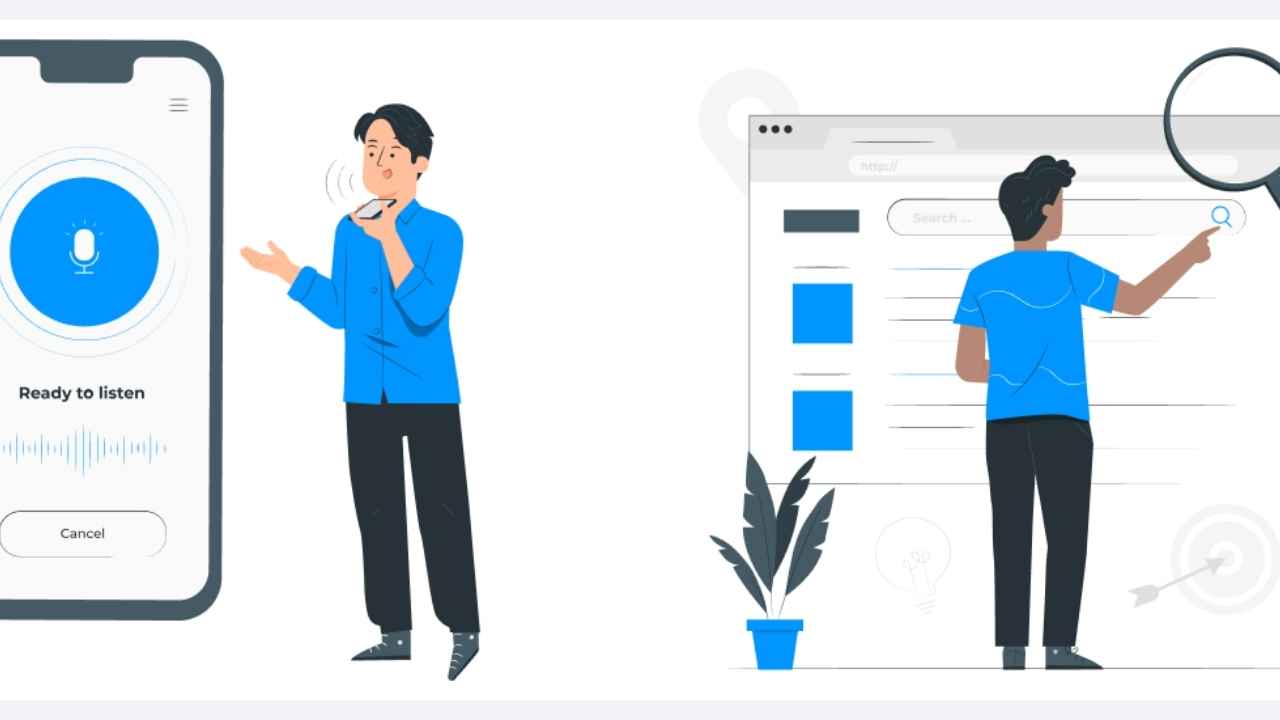

The rise of voice assistants (like Siri, Alexa, and Google Assistant) and AI-powered search tools (such as ChatGPT and Gemini) has transformed how users search for information online. Today, over 50% of searches are voice-based, and AI-driven search engines provide direct answers instead of just listing links.
To stay competitive, businesses must optimize their websites for voice and AI search. In this guide, we’ll explore key strategies to improve your site’s visibility in this evolving search landscape.
1. Focus on Natural Language & Long-Tail Keywords
Voice searches are more conversational than typed queries. Instead of short keywords like "best laptops," users ask full questions like:
- "What is the best laptop for graphic design under $1,500?"
- "Where can I buy a durable gaming laptop near me?"
Optimization Tips:
- Use long-tail keywords that match spoken queries.
- Answer questions naturally in your content (like in FAQs).
- Tools like AnswerThePublic and Google’s People Also Ask can help identify common voice search queries.
2. Optimize for Featured Snippets (Position Zero)
AI and voice assistants often pull answers from featured snippets (the highlighted box at the top of search results). Securing this spot increases your chances of being read aloud by voice search.
How to Rank for Featured Snippets:
- Provide clear, concise answers (40-60 words) to common questions.
- Use bullet points, numbered lists, and tables for easy scanning.
- Structure content with H2 and H3 headings to help search engines understand context.
3. Improve Local SEO for "Near Me" Searches
Voice searches are 3x more likely to be local (e.g., "Where’s the nearest coffee shop?"). If you’re a local business, optimizing for these queries is crucial.
Local SEO Best Practices:
- Claim and optimize your Google Business Profile.
- Include location-based keywords (e.g., "best pizza in Chicago").
- Ensure your NAP (Name, Address, Phone Number) is consistent across directories.
4. Enhance Website Speed & Mobile-Friendliness
Voice search users often rely on mobile devices, and slow-loading sites hurt rankings. Google prioritizes fast, mobile-friendly websites.
Optimization Tips:
- Use Google PageSpeed Insights to check loading times.
- Compress images and enable browser caching.
- Adopt a responsive design for seamless mobile browsing.
5. Use Structured Data (Schema Markup)
Structured data helps search engines understand your content better, increasing the chances of appearing in AI and voice search results.
Key Schema Markups to Use:
- FAQ Schema – Helps your Q&A content appear in voice search.
- Local Business Schema – Improves local search visibility.
- How-To Schema – Ideal for step-by-step guides.
Use Google’s Structured Data Testing Tool to validate your markup.
6. Create Conversational, FAQ-Style Content
Since voice search is question-based, FAQ pages and blog posts that directly answer queries perform well.
Best Practices:
- Include a "People Also Ask" section in your articles.
- Use natural, conversational language (avoid overly technical jargon).
- Target question-based keywords (e.g., "How do I fix a leaking faucet?").
7. Optimize for AI Chatbots (Like ChatGPT & Gemini)
AI chatbots pull information from websites to generate answers. To ensure your content is referenced:
- Publish authoritative, well-researched content.
- Use clear headings and bullet points for easy AI parsing.
- Keep information up-to-date—AI prefers recent, accurate data.
8. Leverage Voice Search Analytics
Track how users interact with voice search to refine your strategy:
- Use Google Search Console to identify voice search queries.
- Monitor rankings for long-tail keywords.
- Analyze user intent to tailor content accordingly.
Final Thoughts
Voice and AI search are reshaping SEO, requiring a shift toward natural language, featured snippets, and fast, structured content. By implementing these strategies, you can improve visibility in voice and AI-driven search results, driving more organic traffic to your site.
Start optimizing today—your future search rankings depend on it! 🚀