
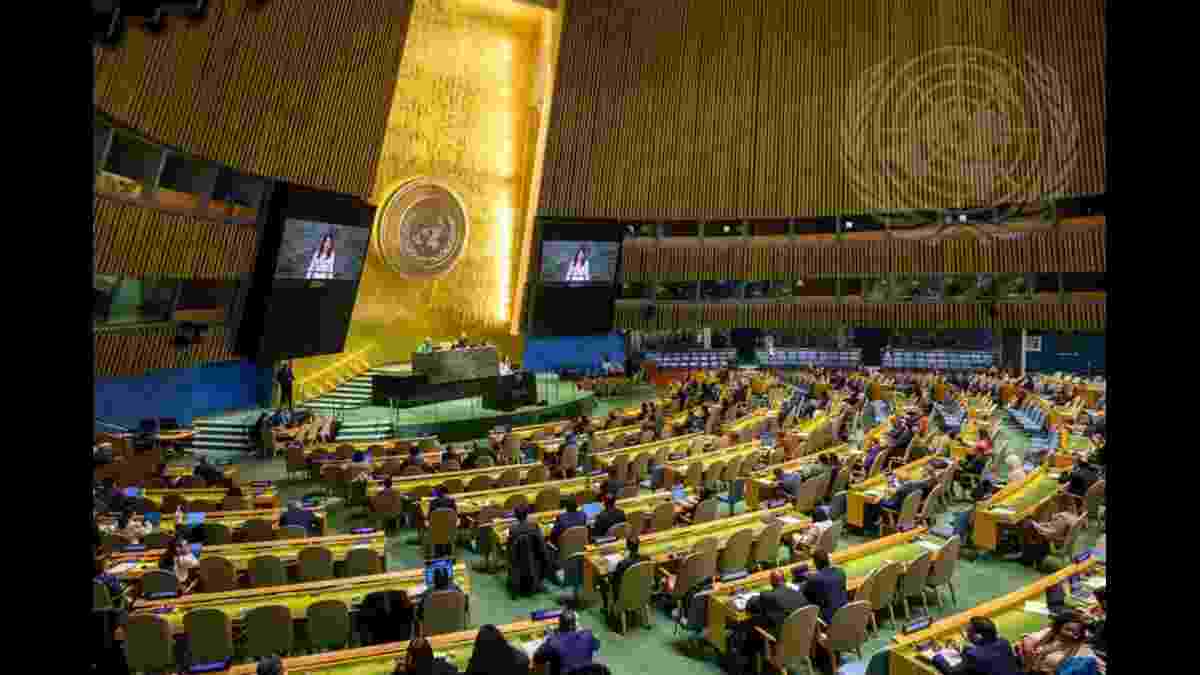

As the world moves deeper into 2026, major international policy platforms such as the United Nations and the G20 are driving pivotal decisions on climate action, economic cooperation, and geopolitical alignments that will influence global relations throughout the year. These high-level dialogues are not abstract discussions — they are actively shaping frameworks for cooperation and setting the stage for how nations will work together on shared challenges.
At the United Nations, the Secretary-General has outlined his key priorities for the year ahead, placing renewed emphasis on peace, sustainable development, and international cooperation. His agenda underscores the need for coordinated global action to address complex issues such as climate change, poverty alleviation, human rights protections and conflict prevention. This direction reflects the UN’s commitment to multilateralism and reinforces the idea that collective action remains the most effective path for confronting global crises.
Alongside this, the UN General Assembly has adopted core themes for the upcoming 2026 UN Water Conference, a major event that aims to tackle water sustainability and management — an issue at the intersection of environmental security, public health, and economic stability. These thematic commitments signal that member states are prioritizing sustainable infrastructure and equitable access to vital natural resources.
Meanwhile, the G20 platform continues to play an integral role in shaping global economic policy. After the 2025 summit in Johannesburg, which was marked by robust declarations on development, climate action, and financial reform, the spotlight is now on the future summit scheduled for December 2026 in Miami. This meeting, set to be hosted by the United States, comes with significant diplomatic shifts. Notably, the U.S. has announced that South Africa — which previously hosted the Johannesburg summit — will not receive an invitation to the 2026 meeting, a decision that has sparked international discussion about inclusivity and diplomatic priorities within the group.
The G20’s evolution also reflects broader shifts in global political dynamics. Between 2022 and 2025, the G20’s leadership focus moved toward the Global South, elevating issues such as equitable development, climate justice, digital inclusion, and reform of global financial institutions. These shifts have influenced both the priorities and the negotiation styles of member states, as nations seek more balanced representation and voice in global economic governance.
At the same time, debates over rules-based international systems continue to be at the forefront. Experts and policymakers emphasize the importance of multilateral cooperation and the rule of law in addressing complex global threats — from climate change to economic inequality and emerging technologies. There is a collective drive among many nations to uphold these norms, even as geopolitical competition and strategic rivalries present challenges for consensus building.
Beyond these institutional arenas, broader diplomatic interactions also influence the global policy landscape. High-level discussions at forums such as the World Economic Forum in Davos and other bilateral meetings bring leaders together to negotiate trade agreements, digital governance frameworks and climate commitments. These conversations often spill over into official policy decisions and international agreements, reinforcing collaboration across regions and sectors.
Regional diplomacy is also gaining attention in parallel to these multilateral efforts. For instance, bilateral and multilateral negotiations continue to evolve around Europe-China relations, Middle East alliances, and cooperation within emerging blocs like BRICS, which is expanding its role in global governance debates. Such diplomatic engagements complement the work of the UN and G20 by addressing specific geopolitical and economic concerns that may not always be tackled in larger group settings.
Taken together, the ongoing UN and G20 policy dialogues — supported by active engagement from diverse nations — are shaping the contours of international relations in 2026. By aligning priorities on sustainable development, economic stability, peacekeeping, and global governance reform, these forums are not only highlighting critical policy areas but also defining the mechanisms through which countries manage cooperation and conflict in an increasingly complex world.
From negotiations on environmental sustainability to debates over equitable growth and diplomatic representation, the global community’s collective actions this year will leave lasting impacts on how countries interact and collaborate on the global stage — setting the tone for international relations for years to come.